Troubleshooting Common Issues in Solar Power Systems
Category : | Sub Category : Posted on 2024-11-05 22:25:23
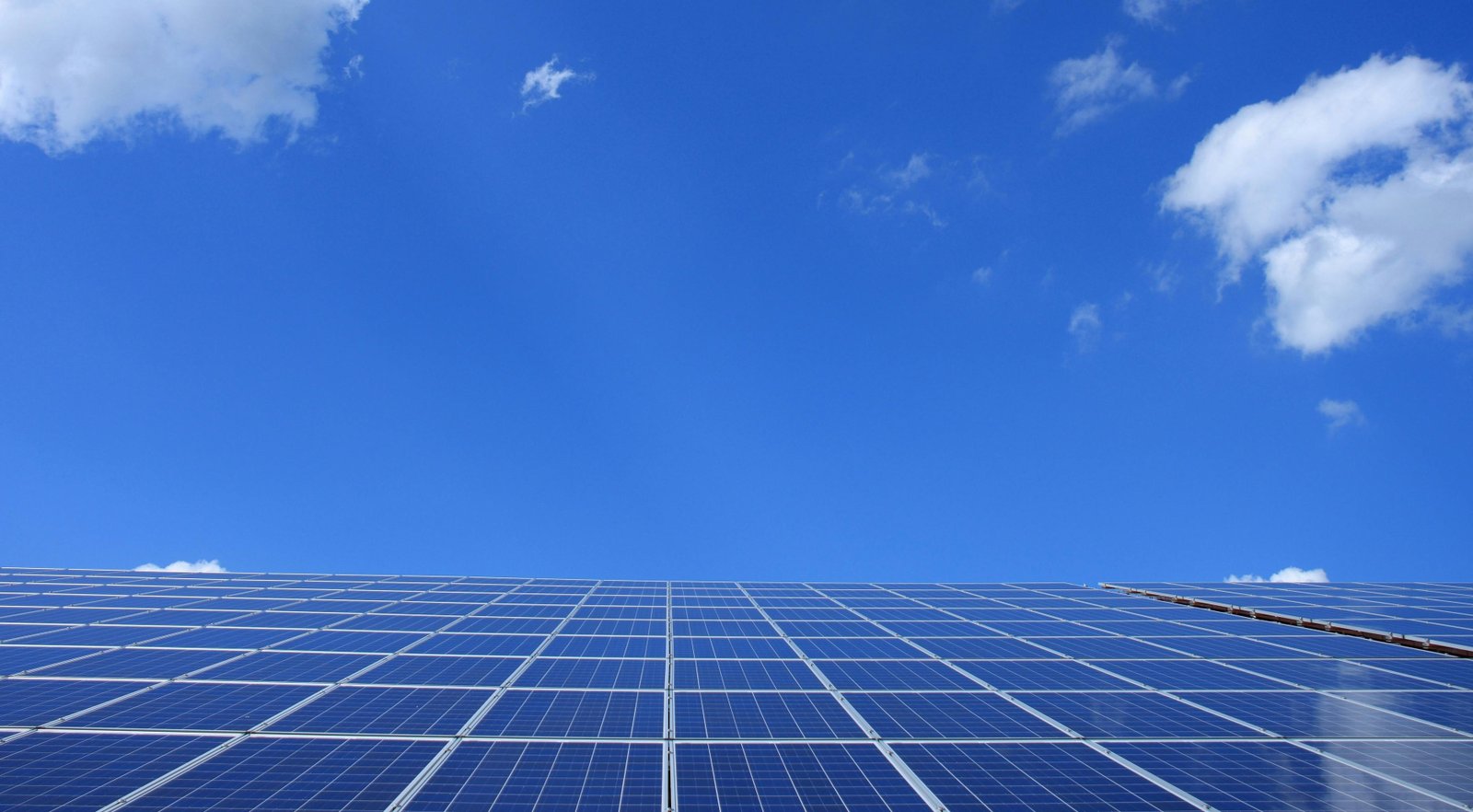
In recent years, solar power has emerged as a sustainable and renewable energy source that offers numerous benefits for both individuals and the environment. However, like any other technology, solar power systems may encounter issues that can affect their efficiency and performance. In this blog post, we will discuss some common troubleshooting tips for addressing problems in solar power systems. 1. Insufficient Power Generation: One of the most common issues encountered in solar power systems is insufficient power generation. This can be caused by shading from nearby trees or buildings, dirty or damaged solar panels, or faulty wiring connections. To troubleshoot this issue, start by checking the solar panels for any dirt or debris that may be blocking sunlight. Clean the panels regularly to ensure maximum efficiency. Additionally, inspect the wiring connections for any signs of corrosion or damage and replace if necessary. 2. Inverter Problems: The inverter is a crucial component of a solar power system that converts the direct current (DC) generated by the solar panels into usable alternating current (AC) electricity. Inverter issues can lead to fluctuations in power output or a complete shutdown of the system. If you are experiencing inverter problems, check the display screen for error codes or warning messages. Reset the inverter and consult the user manual for troubleshooting guidance. If the issue persists, contact a professional solar technician for further assistance. 3. Battery Malfunction: For off-grid solar power systems that rely on battery storage, a malfunctioning battery can significantly impact system performance. Common battery issues include overcharging, undercharging, sulfation, and cell imbalance. To troubleshoot battery problems, perform regular maintenance checks to ensure proper charging and discharging cycles. Monitor battery voltage levels and conduct capacity tests to identify any potential issues. Replace faulty batteries promptly to avoid damage to the entire system. 4. Monitoring System Performance: Regular monitoring of a solar power system is essential for identifying potential issues before they escalate into major problems. Invest in a monitoring system that tracks key parameters such as power output, voltage levels, and energy consumption. By analyzing performance data, you can pinpoint any deviations or anomalies that may indicate a problem in the system. Consult with a professional engineer or technician to address any discrepancies and optimize system performance. 5. Professional Maintenance and Repairs: While DIY troubleshooting can resolve minor issues in a solar power system, some problems may require professional assistance. Schedule regular maintenance inspections with a certified solar technician to ensure the system operates efficiently and safely. Professional maintenance services may include panel cleaning, inverter testing, wiring inspections, and performance evaluations. By investing in professional maintenance, you can extend the lifespan of your solar power system and maximize its energy output. In conclusion, troubleshooting common issues in solar power systems is essential for ensuring optimal performance and longevity. By following these tips and best practices, you can address problems proactively and maintain a reliable source of clean energy for your home or business. Remember to prioritize safety and consult with experienced professionals for complex repairs or maintenance tasks.Solar power is a promising technology that can help reduce carbon emissions and combat climate change, making it a valuable investment for a sustainable future. For more info https://www.arreglar.org
https://sunpowerpanels.com
Leave a Comment:
SEARCH
Recent News
- Zurich, Switzerland is known for its picturesque landscapes, thriving financial sector, and strategic location in Europe. Lately, the city has been making headlines for its involvement in Russian energy deals. These deals have sparked controversy and drawn attention from various stakeholders around the world.
- Zurich, Switzerland, and Norwegian energy may seem like an unlikely pairing, but these two entities are actually connected when it comes to sustainable living and renewable energy practices. Zurich, known for its picturesque landscape, vibrant culture, and high quality of life, has been leading the way in environmental conservation and energy efficiency. On the other hand, Norway is renowned for its focus on clean and renewable energy sources, particularly hydropower.
- Zurich, Switzerland is a city known for its picturesque landscapes, high quality of life, and thriving economy. Recently, Zurich has also been making headlines in the energy sector with its growing interest and investment in Libyan energy resources.
- Zurich, Switzerland is setting the bar high when it comes to embracing green energy initiatives. With a strong commitment to sustainability and reducing carbon emissions, the city of Zurich is making impressive strides towards a greener future.
- Zurich, Switzerland is known for being a city at the forefront of sustainability and environmental awareness. In recent years, the city has been making significant strides in the production of biomass energy as a way to reduce its carbon footprint and reliance on fossil fuels.
- In the world of YouTube content creation, finding unique and engaging topics to explore can be a challenge. One intriguing subject that has been gaining attention recently is the translation of Russian energy deals. This niche area of focus offers a fascinating insight into the world of international business and energy geopolitics.
- Norwegian energy companies are making a significant impact on YouTube by creating engaging and informative content about the country's energy sector. With a focus on sustainability and innovation, these companies are using the platform to reach a global audience and promote their efforts in renewable energy production.
- YouTube Content Creation and Translation in Libyan Energy
READ MORE
8 months ago Category :

Zurich, Switzerland is known for its picturesque landscapes, thriving financial sector, and strategic location in Europe. Lately, the city has been making headlines for its involvement in Russian energy deals. These deals have sparked controversy and drawn attention from various stakeholders around the world.
Read More →8 months ago Category :

Zurich, Switzerland, and Norwegian energy may seem like an unlikely pairing, but these two entities are actually connected when it comes to sustainable living and renewable energy practices. Zurich, known for its picturesque landscape, vibrant culture, and high quality of life, has been leading the way in environmental conservation and energy efficiency. On the other hand, Norway is renowned for its focus on clean and renewable energy sources, particularly hydropower.
Read More →8 months ago Category :

Zurich, Switzerland is a city known for its picturesque landscapes, high quality of life, and thriving economy. Recently, Zurich has also been making headlines in the energy sector with its growing interest and investment in Libyan energy resources.
Read More →8 months ago Category :
