Harnessing the Power of the Sun: A Bright Future for Egypt's Renewable Energy Sector
Category : | Sub Category : Posted on 2024-11-05 22:25:23
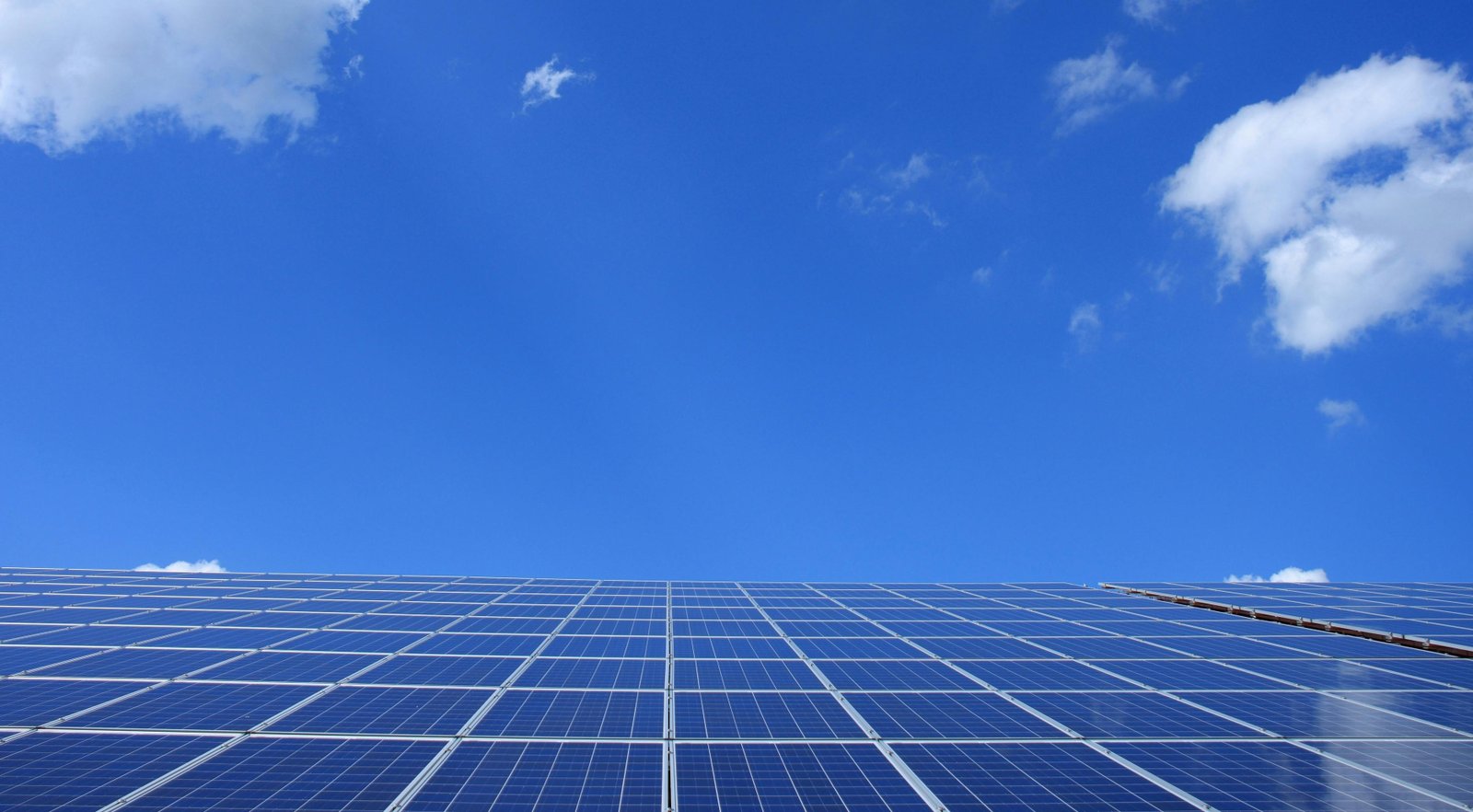
In recent years, Egypt has been making significant strides in harnessing the power of the sun to meet its energy needs. With its abundant sunlight and vast untapped potential for solar energy generation, the country is positioning itself as a regional leader in the transition to renewable energy sources. In this essay, we will explore the progress Egypt has made in the field of solar power and the opportunities and challenges that lie ahead. One of the key initiatives driving Egypt's solar power development is the Benban Solar Park, located near Aswan in the southern part of the country. This ambitious project, which is one of the largest solar installations in the world, aims to generate 1.8 gigawatts of electricity from the sun's rays. With over 6 million solar panels spread across 37 square kilometers of desert land, the Benban Solar Park is a testament to Egypt's commitment to embracing clean energy technologies. In addition to utility-scale solar projects like Benban, Egypt is also exploring options to promote rooftop solar installations in residential and commercial buildings. The government has implemented incentive programs, such as feed-in tariffs and net metering schemes, to encourage individuals and businesses to invest in solar PV systems. By decentralizing solar power generation and empowering consumers to become prosumers, Egypt is fostering a more diverse and resilient energy ecosystem. Despite the progress made in the solar power sector, Egypt faces several challenges in realizing its full renewable energy potential. One of the main obstacles is the intermittency of solar energy production, which can be mitigated through the deployment of energy storage solutions and smart grid technologies. Furthermore, regulatory barriers and financing constraints may hinder the widespread adoption of solar power in the country. Looking ahead, Egypt has the opportunity to leverage its solar resources not only to meet domestic energy demand but also to drive economic growth and sustainable development. By investing in solar power infrastructure, the country can create jobs, attract foreign investment, and reduce its reliance on fossil fuels, thus mitigating the impacts of climate change and improving energy security. In conclusion, Egypt's journey towards a solar-powered future is filled with promise and potential. By continuing to prioritize renewable energy initiatives and address the challenges facing the sector, Egypt can emerge as a shining example of how solar power can transform economies and societies for the better. With the sun as its ally, Egypt is on the path to a brighter and more sustainable future.
https://egyptwn.com
https://sunpowerpanels.com
Leave a Comment:
SEARCH
Recent News
- Zurich, Switzerland is known for its picturesque landscapes, thriving financial sector, and strategic location in Europe. Lately, the city has been making headlines for its involvement in Russian energy deals. These deals have sparked controversy and drawn attention from various stakeholders around the world.
- Zurich, Switzerland, and Norwegian energy may seem like an unlikely pairing, but these two entities are actually connected when it comes to sustainable living and renewable energy practices. Zurich, known for its picturesque landscape, vibrant culture, and high quality of life, has been leading the way in environmental conservation and energy efficiency. On the other hand, Norway is renowned for its focus on clean and renewable energy sources, particularly hydropower.
- Zurich, Switzerland is a city known for its picturesque landscapes, high quality of life, and thriving economy. Recently, Zurich has also been making headlines in the energy sector with its growing interest and investment in Libyan energy resources.
- Zurich, Switzerland is setting the bar high when it comes to embracing green energy initiatives. With a strong commitment to sustainability and reducing carbon emissions, the city of Zurich is making impressive strides towards a greener future.
- Zurich, Switzerland is known for being a city at the forefront of sustainability and environmental awareness. In recent years, the city has been making significant strides in the production of biomass energy as a way to reduce its carbon footprint and reliance on fossil fuels.
- In the world of YouTube content creation, finding unique and engaging topics to explore can be a challenge. One intriguing subject that has been gaining attention recently is the translation of Russian energy deals. This niche area of focus offers a fascinating insight into the world of international business and energy geopolitics.
- Norwegian energy companies are making a significant impact on YouTube by creating engaging and informative content about the country's energy sector. With a focus on sustainability and innovation, these companies are using the platform to reach a global audience and promote their efforts in renewable energy production.
- YouTube Content Creation and Translation in Libyan Energy
READ MORE
7 months ago Category :

Zurich, Switzerland is known for its picturesque landscapes, thriving financial sector, and strategic location in Europe. Lately, the city has been making headlines for its involvement in Russian energy deals. These deals have sparked controversy and drawn attention from various stakeholders around the world.
Read More →7 months ago Category :

Zurich, Switzerland, and Norwegian energy may seem like an unlikely pairing, but these two entities are actually connected when it comes to sustainable living and renewable energy practices. Zurich, known for its picturesque landscape, vibrant culture, and high quality of life, has been leading the way in environmental conservation and energy efficiency. On the other hand, Norway is renowned for its focus on clean and renewable energy sources, particularly hydropower.
Read More →7 months ago Category :

Zurich, Switzerland is a city known for its picturesque landscapes, high quality of life, and thriving economy. Recently, Zurich has also been making headlines in the energy sector with its growing interest and investment in Libyan energy resources.
Read More →7 months ago Category :
