Revolutionizing Solar Power: Advanced Coating and Encapsulation Techniques for Solar Panel Materials
Category : Solar Panel Material Innovations | Sub Category : Advanced Coating and Encapsulation Techniques Posted on 2024-02-07 21:24:53
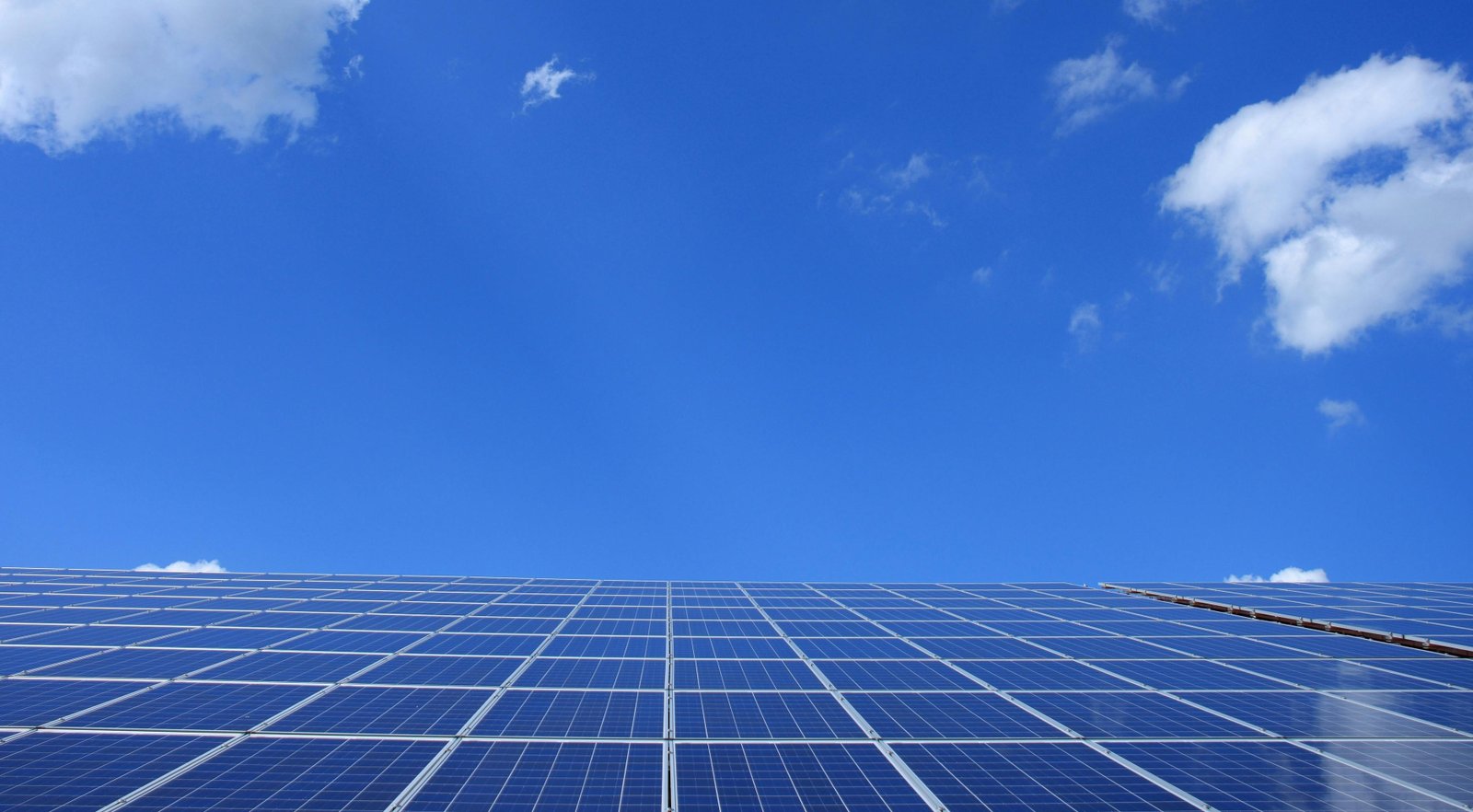
Revolutionizing Solar Power: Advanced Coating and Encapsulation Techniques for Solar Panel Materials
In the quest for sustainable energy solutions, solar power has emerged as a promising source of clean and renewable electricity. One key factor that affects the efficiency and longevity of solar panels is the materials used in their construction. In recent years, there have been significant advancements in the development of advanced coating and encapsulation techniques for solar panel materials, revolutionizing the way we harness the sun's energy.
Coating technologies play a crucial role in enhancing the performance of solar panels by improving their durability, efficiency, and resistance to environmental factors. One of the major challenges faced by traditional solar panels is degradation caused by exposure to harsh elements such as UV radiation, moisture, and temperature fluctuations. Advanced coating materials, such as anti-reflective coatings and self-cleaning coatings, help to mitigate these issues and improve the overall efficiency of solar panels.
Innovative encapsulation techniques have also played a key role in improving the reliability and longevity of solar panels. Encapsulation materials act as a protective layer that shields the solar cells from external factors, ensuring their long-term performance. Recent developments in encapsulation technologies have led to the introduction of materials with enhanced UV resistance, moisture resistance, and thermal stability, further extending the lifespan of solar panels.
One exciting development in the field of solar panel materials is the use of nanotechnology to create thin-film coatings and encapsulants that offer superior performance characteristics. Nanomaterials possess unique properties that make them ideal for use in solar panel applications, including high optical transparency, excellent thermal stability, and enhanced durability. By incorporating nanomaterials into solar panel coatings and encapsulants, researchers are able to boost the efficiency and reliability of solar panels like never before.
Another area of innovation in solar panel materials is the development of multifunctional coatings that serve multiple purposes, such as providing anti-soiling properties, enhancing light trapping, and improving electrical conductivity. These multifunctional coatings help to maximize the energy conversion efficiency of solar panels while also reducing maintenance requirements and costs.
As the demand for solar energy continues to grow, the development of advanced coating and encapsulation techniques for solar panel materials will play a critical role in driving the widespread adoption of solar power. By improving the efficiency, durability, and performance of solar panels, these innovative technologies will help to make solar energy more accessible and affordable for individuals and businesses around the world.
In conclusion, the advancements in solar panel material innovations, particularly in advanced coating and encapsulation techniques, represent a significant step forward in the field of solar energy. By leveraging the latest developments in materials science and nanotechnology, researchers are paving the way for more efficient, reliable, and sustainable solar power solutions. With continued research and innovation, the future of solar energy looks brighter than ever before.
Leave a Comment:
SEARCH
Recent News
- Zurich, Switzerland is known for its picturesque landscapes, thriving financial sector, and strategic location in Europe. Lately, the city has been making headlines for its involvement in Russian energy deals. These deals have sparked controversy and drawn attention from various stakeholders around the world.
- Zurich, Switzerland, and Norwegian energy may seem like an unlikely pairing, but these two entities are actually connected when it comes to sustainable living and renewable energy practices. Zurich, known for its picturesque landscape, vibrant culture, and high quality of life, has been leading the way in environmental conservation and energy efficiency. On the other hand, Norway is renowned for its focus on clean and renewable energy sources, particularly hydropower.
- Zurich, Switzerland is a city known for its picturesque landscapes, high quality of life, and thriving economy. Recently, Zurich has also been making headlines in the energy sector with its growing interest and investment in Libyan energy resources.
- Zurich, Switzerland is setting the bar high when it comes to embracing green energy initiatives. With a strong commitment to sustainability and reducing carbon emissions, the city of Zurich is making impressive strides towards a greener future.
- Zurich, Switzerland is known for being a city at the forefront of sustainability and environmental awareness. In recent years, the city has been making significant strides in the production of biomass energy as a way to reduce its carbon footprint and reliance on fossil fuels.
- In the world of YouTube content creation, finding unique and engaging topics to explore can be a challenge. One intriguing subject that has been gaining attention recently is the translation of Russian energy deals. This niche area of focus offers a fascinating insight into the world of international business and energy geopolitics.
- Norwegian energy companies are making a significant impact on YouTube by creating engaging and informative content about the country's energy sector. With a focus on sustainability and innovation, these companies are using the platform to reach a global audience and promote their efforts in renewable energy production.
- YouTube Content Creation and Translation in Libyan Energy
READ MORE
9 months ago Category :

Zurich, Switzerland is known for its picturesque landscapes, thriving financial sector, and strategic location in Europe. Lately, the city has been making headlines for its involvement in Russian energy deals. These deals have sparked controversy and drawn attention from various stakeholders around the world.
Read More →9 months ago Category :

Zurich, Switzerland, and Norwegian energy may seem like an unlikely pairing, but these two entities are actually connected when it comes to sustainable living and renewable energy practices. Zurich, known for its picturesque landscape, vibrant culture, and high quality of life, has been leading the way in environmental conservation and energy efficiency. On the other hand, Norway is renowned for its focus on clean and renewable energy sources, particularly hydropower.
Read More →9 months ago Category :

Zurich, Switzerland is a city known for its picturesque landscapes, high quality of life, and thriving economy. Recently, Zurich has also been making headlines in the energy sector with its growing interest and investment in Libyan energy resources.
Read More →9 months ago Category :
