Enhancing Solar Panel Efficiency: Passive Cooling Materials and Designs
Category : Solar Panel Cooling Systems | Sub Category : Passive Cooling Materials and Designs Posted on 2024-02-07 21:24:53
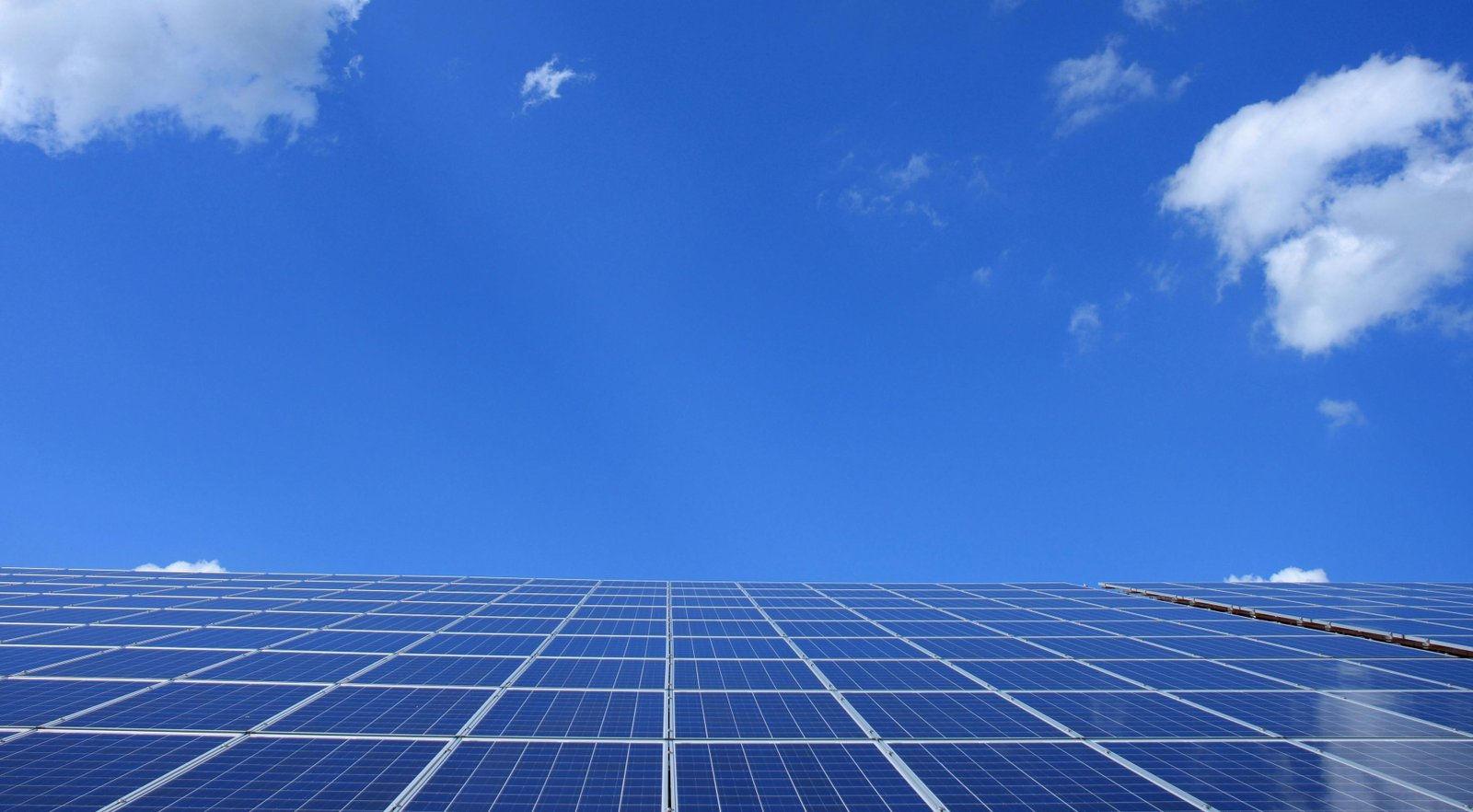
Enhancing Solar Panel Efficiency: Passive Cooling Materials and Designs
As the demand for renewable energy sources continues to rise, solar power has emerged as a promising solution to combat climate change and reduce our reliance on fossil fuels. Solar panels, which convert sunlight into electricity, have become increasingly common on rooftops and in solar farms around the world. However, one of the challenges facing solar panel efficiency is overheating, which can degrade performance and shorten the lifespan of the panels. To address this issue, researchers have been exploring passive cooling materials and designs to enhance the efficiency of solar panels.
Passive cooling systems are a cost-effective and energy-efficient way to regulate the temperature of solar panels without the need for additional energy input. By incorporating materials and designs that dissipate heat effectively, passive cooling systems can help maintain optimal operating temperatures for solar panels, leading to improved performance and longevity.
One approach to passive cooling is the use of materials with high thermal conductivity, such as graphene or carbon nanotubes, which can efficiently transfer heat away from the solar panels. These materials can be incorporated into the panel design or applied as coatings to enhance heat dissipation.
Another innovative design for passive cooling involves the integration of thermal insulation materials that reduce heat absorption and promote heat dissipation. By creating a barrier between the solar panel and the surrounding environment, these materials can help maintain lower operating temperatures and improve overall efficiency.
Furthermore, incorporating ventilation systems or heat sinks into the solar panel design can enhance heat dissipation and airflow, further optimizing the cooling process. These features can help prevent overheating and improve the overall performance of the solar panel system.
In addition to materials and designs, the orientation and placement of solar panels can also impact their temperature regulation. By optimizing the tilt angle and orientation of the panels, researchers can maximize sunlight absorption while minimizing heat buildup, ultimately improving the efficiency of the solar panel system.
In conclusion, passive cooling materials and designs offer a promising solution to enhance the efficiency of solar panels and address the challenge of overheating. By integrating these innovative approaches into solar panel systems, researchers and engineers can optimize performance, increase longevity, and contribute to the widespread adoption of solar power as a sustainable energy source. With further research and development in this field, we can look forward to more efficient and durable solar panel systems that help pave the way for a cleaner, greener future.
Leave a Comment:
SEARCH
Recent News
- Zurich, Switzerland is known for its picturesque landscapes, thriving financial sector, and strategic location in Europe. Lately, the city has been making headlines for its involvement in Russian energy deals. These deals have sparked controversy and drawn attention from various stakeholders around the world.
- Zurich, Switzerland, and Norwegian energy may seem like an unlikely pairing, but these two entities are actually connected when it comes to sustainable living and renewable energy practices. Zurich, known for its picturesque landscape, vibrant culture, and high quality of life, has been leading the way in environmental conservation and energy efficiency. On the other hand, Norway is renowned for its focus on clean and renewable energy sources, particularly hydropower.
- Zurich, Switzerland is a city known for its picturesque landscapes, high quality of life, and thriving economy. Recently, Zurich has also been making headlines in the energy sector with its growing interest and investment in Libyan energy resources.
- Zurich, Switzerland is setting the bar high when it comes to embracing green energy initiatives. With a strong commitment to sustainability and reducing carbon emissions, the city of Zurich is making impressive strides towards a greener future.
- Zurich, Switzerland is known for being a city at the forefront of sustainability and environmental awareness. In recent years, the city has been making significant strides in the production of biomass energy as a way to reduce its carbon footprint and reliance on fossil fuels.
- In the world of YouTube content creation, finding unique and engaging topics to explore can be a challenge. One intriguing subject that has been gaining attention recently is the translation of Russian energy deals. This niche area of focus offers a fascinating insight into the world of international business and energy geopolitics.
- Norwegian energy companies are making a significant impact on YouTube by creating engaging and informative content about the country's energy sector. With a focus on sustainability and innovation, these companies are using the platform to reach a global audience and promote their efforts in renewable energy production.
- YouTube Content Creation and Translation in Libyan Energy
READ MORE
9 months ago Category :

Zurich, Switzerland is known for its picturesque landscapes, thriving financial sector, and strategic location in Europe. Lately, the city has been making headlines for its involvement in Russian energy deals. These deals have sparked controversy and drawn attention from various stakeholders around the world.
Read More →9 months ago Category :

Zurich, Switzerland, and Norwegian energy may seem like an unlikely pairing, but these two entities are actually connected when it comes to sustainable living and renewable energy practices. Zurich, known for its picturesque landscape, vibrant culture, and high quality of life, has been leading the way in environmental conservation and energy efficiency. On the other hand, Norway is renowned for its focus on clean and renewable energy sources, particularly hydropower.
Read More →9 months ago Category :

Zurich, Switzerland is a city known for its picturesque landscapes, high quality of life, and thriving economy. Recently, Zurich has also been making headlines in the energy sector with its growing interest and investment in Libyan energy resources.
Read More →9 months ago Category :
